
Quick answer
Essentially, all protection products do the same basic job: they cover or fill the micropores in the clear coat, creating a slick surface. The real differences come down to how well they do this and how long it lasts. From shortest-lasting to longest, the options are detailing sprays, paste waxes, hard (carnauba) waxes, ceramic coatings and paint protection film (PPF).
When it comes to protecting a car's paint, there are options available for every purpose and every budget.
I co-founded a family business built around car detailing and distributing car care products, first Chemical Guys and later Auto Finesse, into the Serbian market. That put me right into using these products, not just distributing them. Here is what each type of protection actually does, and how long it lasts.
What They All Do
Essentially, all protection products do the same basic job: they cover or fill the micropores in the clear coat, creating a slick surface. That slickness is what keeps things like water and dust from sticking. Instead, they slide right off. The real differences between products come down to how well they do this and how long it lasts.
In every case, the surface needs to be properly clean first, so the protective layer can actually bond to the clear coat.
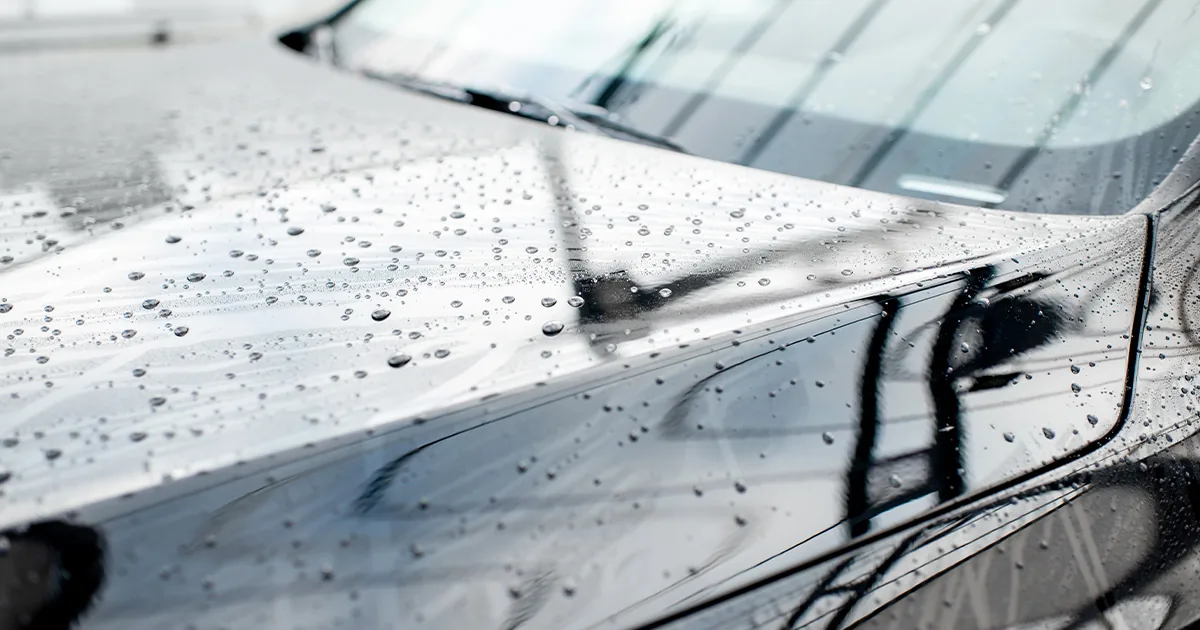
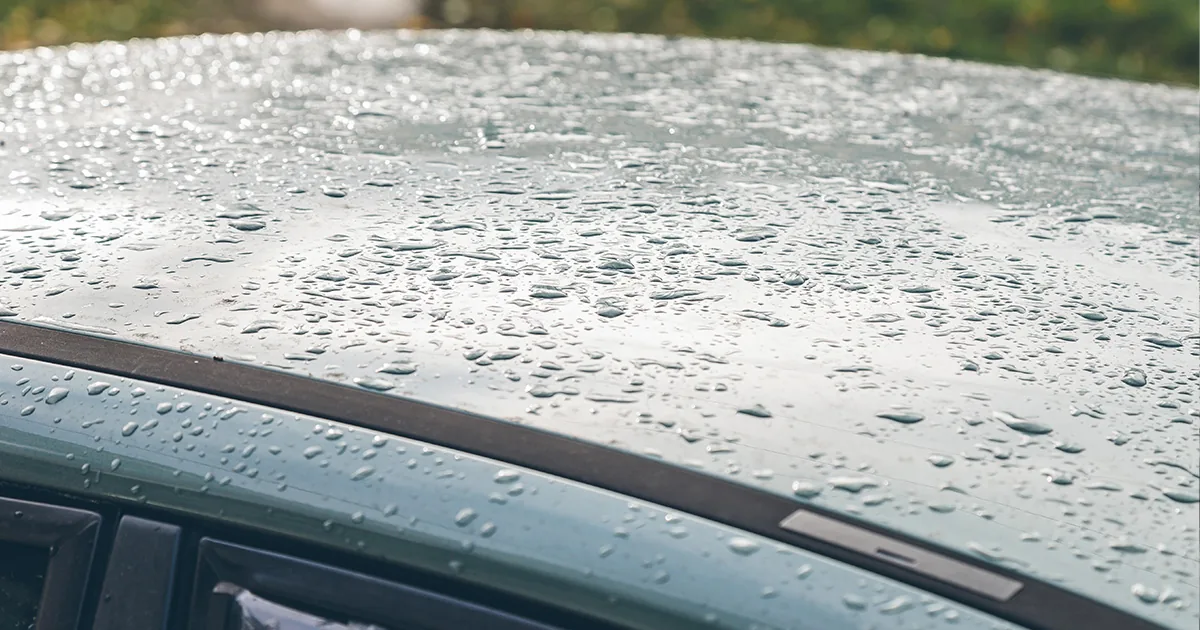
Water on a ceramic-coated hood (left) and on paint with no wax or coating (right).
From Shortest-Lasting to Longest
Detailing sprays. A type of quick detailer, sprayed on and buffed off with a towel. They can last anywhere from a few days to a few weeks depending on conditions, and provide light water resistance along with a slight boost in shine.
Paste waxes. Applied by hand or with a DA machine in a thin layer, usually needing about 20 minutes to bond before being wiped off with a microfiber towel. Some paste waxes do a great job hiding minor scratches and imperfections, giving you high shine even without polishing first. They typically wear off within a few weeks.
Hard waxes (carnauba). Natural products that form a stronger bond with the clear coat and deliver extremely high shine. They last anywhere from several months to about a year, depending on the product and how the car is driven afterward. They are applied in a thin layer by hand and wiped off relatively quickly, since they can dry hard and become difficult to buff off if left on too long.
Ceramic coatings. Liquid products applied with a dedicated applicator, usually sold alongside the coating itself. They are typically applied section by section and buffed off immediately or within a few seconds of application. If a section is allowed to dry in a thick layer, it becomes extremely difficult to remove, so careful, attentive application matters here more than with any other product.
Ceramic coatings deliver extremely high shine with very good longevity, though take the "up to several years" marketing claims with a grain of salt. In my experience, real-world longevity tends to run at about half, or less than half, of the stated figure, since environmental conditions affect any product applied to a clear coat. Most ceramic coatings need 12 to 24 hours to properly bond, and the car should not be driven during that window.
Paint protection film (PPF). A clear, high-shine protective layer installed directly on the clear coat to shield it from the elements and the environment. It is usually between 150 and 200 microns thick and provides excellent protection against rock chips and other situations that would otherwise damage the clear coat directly. It is also the longest-lasting option on this list by far: a good-quality PPF installation can last anywhere from several years to well over a decade, depending on the quality of the film. If you want to install it yourself, my PPF course covers film types, planning the job and a full bulk install on a hood.
What About Scratches?
In terms of actual scratch resistance, the only product that genuinely helps is paint protection film. No wax or ceramic coating provides direct resistance to scratches. What they do instead is fill the micropores and make the surface slick, which can lower the odds of a scratch forming in the first place, since objects are more likely to slide off than catch and drag.
Want to see it done?
My Exterior Car Detailing Course covers decontamination and protection from start to finish, my Car Polishing Course covers the correction that comes before protection, and my PPF Course shows how to install paint protection film yourself. All three are on Udemy and all three are beginner-friendly.